In the world of MMORPGs, the competition for valuable herbalism nodes such as Black Lotus and Mountain Silversage can lead to intense faction PvP disputes. These resources are not only crucial for crafting and alchemy but also serve as a battleground for players seeking dominance in their respective factions. Understanding the dynamics of these disputes can enhance your gameplay strategy and improve your chances of securing these sought-after nodes.
What are the key statistics for Black Lotus and Mountain Silversage node spawns?
The key statistics for Black Lotus and Mountain Silversage include spawn rates, respawn times, and typical locations, which are critical for planning your herb gathering strategy.

To effectively compete for these nodes, players must be aware of the specific metrics associated with each herb. The following table outlines the essential statistics for Black Lotus and Mountain Silversage, including spawn rates, respawn times, and common locations. This information can help players optimize their farming routes and anticipate potential PvP encounters.
| Herb Type | Spawn Rate | Respawn Time | Common Locations |
|---|---|---|---|
| Black Lotus | 0.1% – 0.5% | 30 minutes | Eastern Plaguelands, Winterspring |
| Mountain Silversage | 0.2% – 0.6% | 20 minutes | Winterspring, Silithus |
| Black Lotus (Rare Spawn) | 0.01% | 1 hour | Specific high-level zones |
How do faction dynamics influence PvP fights over herbalism nodes?
Faction dynamics significantly influence PvP encounters over herbalism nodes, as players often engage in combat to secure valuable resources for their factions.
The competition for Black Lotus and Mountain Silversage is not merely about gathering herbs; it reflects the broader factional struggle within the game. Players from opposing factions often clash in these areas, leading to skirmishes that can escalate into larger battles. Understanding the motivations behind these conflicts is crucial for players looking to navigate the PvP landscape effectively. Faction pride, resource scarcity, and the potential for economic gain drive players to engage in these disputes, making the herbalism nodes hotbeds of conflict.
From a mechanical perspective, the faction system is designed to promote competition. Players can gain reputation points and rewards for defeating members of the opposing faction, which incentivizes them to engage in PvP. Additionally, the presence of herbalism nodes in contested zones means that players must be vigilant and prepared for ambushes. The game’s design encourages players to form alliances and strategize their approaches to these nodes, often leading to organized raids or spontaneous skirmishes as players vie for control.
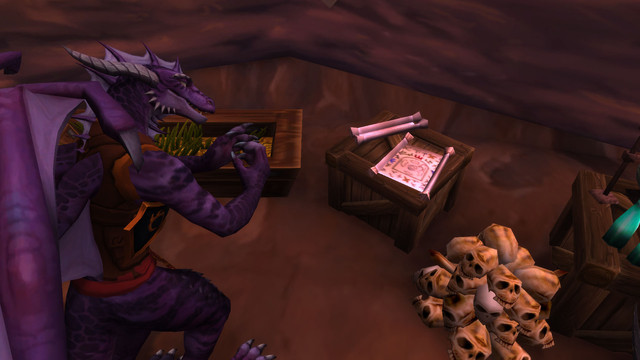
For example, a group of players may decide to patrol a known Black Lotus spawn point, coordinating their movements to maximize their chances of securing the herb while simultaneously defending against enemy players. This requires not only knowledge of the herb’s spawn mechanics but also an understanding of the opposing faction’s behavior and tactics. Players who can anticipate enemy movements and react quickly will have a significant advantage in these high-stakes encounters.
What strategies can players use to secure herbalism nodes in PvP zones?
Players can employ various strategies, such as scouting, ambushing, and forming groups, to secure herbalism nodes in PvP zones effectively.
Securing herbalism nodes in PvP zones requires a combination of strategic planning and tactical execution. Players should first scout the area to gather intelligence on enemy movements and potential ambush points. This reconnaissance phase is critical, as it allows players to identify the best times to approach the nodes and avoid unnecessary confrontations. Once the area is deemed safe, players can then move in to gather the herbs.
- Scout the area: Use stealth or flying mounts to survey the location for enemy players.
- Coordinate with allies: Form a group with other players to increase your chances of success during node disputes.
- Utilize crowd control abilities: Employ skills that can incapacitate or slow down enemy players, giving you time to gather the herbs.
- Be prepared to retreat: Always have an escape plan in case of overwhelming opposition, ensuring you can live to fight another day.
Additionally, players should consider the timing of their herb gathering. Engaging in these activities during off-peak hours can reduce the likelihood of encountering enemy players. Moreover, using consumables such as potions or buffs can enhance a player’s survivability in PvP encounters, making it easier to secure the nodes. Players who master these strategies will find themselves more successful in their herbalism endeavors.
What are the best practices for engaging in PvP fights over herbalism nodes?
Best practices for engaging in PvP fights over herbalism nodes include understanding the terrain, utilizing effective communication, and maintaining situational awareness.
When engaging in PvP fights over herbalism nodes, players should prioritize understanding the terrain. Familiarity with the landscape can provide significant advantages, such as identifying choke points, high ground, and potential escape routes. Players should also be aware of environmental factors, such as nearby NPCs or other players that could influence the outcome of a skirmish. Utilizing the terrain effectively can turn the tide in favor of a well-prepared player or group.
Effective communication is another critical component of successful PvP engagements. Players should use voice chat or in-game messaging to coordinate their actions, share information about enemy positions, and strategize their approach to securing the nodes. This teamwork can significantly enhance the chances of victory in chaotic situations where quick decision-making is essential. Players who can communicate effectively will often find themselves at an advantage over disorganized opponents.
Finally, maintaining situational awareness is vital during PvP encounters. Players should constantly assess their surroundings, keeping an eye on both enemy movements and potential reinforcements. This awareness allows players to adapt their strategies on the fly, whether that means retreating to regroup or pressing the attack to capitalize on an enemy’s mistake. By mastering these best practices, players can improve their performance in PvP fights over herbalism nodes.
What common mistakes should players avoid in herbalism node disputes?
Common mistakes in herbalism node disputes include underestimating enemy players, failing to communicate, and neglecting to use terrain advantages.
Many players fall victim to common pitfalls during herbalism node disputes, which can lead to unnecessary losses. One significant mistake is underestimating the capabilities of enemy players. Players often assume that they can easily overpower opponents without considering their gear, skill level, or potential tactics. This underestimation can result in ambushes or unexpected defeats, making it essential for players to assess the strength of their opponents before engaging.
Another frequent error is failing to communicate effectively with teammates. In the heat of battle, players may forget to relay crucial information about enemy positions or their own status. This lack of communication can lead to disorganization and missed opportunities, allowing enemies to capitalize on the confusion. Players should prioritize clear and concise communication to ensure that everyone is on the same page during engagements.
Lastly, neglecting to utilize terrain advantages can be detrimental. Players who do not take advantage of high ground or natural cover may find themselves exposed and vulnerable during fights. Understanding how to use the environment to your benefit can provide significant tactical advantages, allowing players to outmaneuver and outsmart their opponents. By avoiding these common mistakes, players can enhance their effectiveness in herbalism node disputes.
What future trends could affect herbalism node disputes in PvP?
Future trends in game design and player behavior could significantly impact herbalism node disputes, including changes to spawn mechanics and the introduction of new PvP features.
As game developers continue to evolve the MMORPG landscape, several trends could influence herbalism node disputes. One potential change is the adjustment of spawn mechanics for valuable herbs like Black Lotus and Mountain Silversage. Developers may introduce more dynamic spawn systems that respond to player activity, making node competition even more intense. This could lead to a shift in how players approach gathering, requiring them to adapt their strategies continually.
Additionally, the introduction of new PvP features, such as enhanced rewards for node control or new combat mechanics, could further escalate disputes over herbalism nodes. Players may find themselves engaging in larger-scale battles for control of these resources, leading to organized faction warfare. This evolution could also encourage the formation of alliances between players, creating a more complex social dynamic within the game.
Furthermore, as players become more skilled and competitive, the strategies employed in herbalism node disputes will likely evolve. Players may develop new tactics or utilize advanced technology, such as bots or tracking software, to gain an edge in securing these valuable resources. Staying informed about these trends and adapting to the changing landscape will be crucial for players looking to maintain their dominance in herbalism node disputes.