The Legion expansion (7.0) stands as a paradigm shift in player investment and character personalization, largely owing to the implementation of two interconnected systems: the **Artifact Weapon (AW)** and the **Class Order Hall (COH)**. These mechanics successfully deviated from generalized, expansion-wide progression models to focus intensely on individual **Class Fantasy (CF)** and specialized narrative arcs. By granting players unique, visually iconic weapons that progressed alongside them and sequestering class-specific utilities into dedicated hubs, Legion achieved an unparalleled level of **Class Identity Reinforcement (CIR)**.
This analysis details how the AW and COH systems synergized to create the most successful character-centric progression model in the franchise’s history.
The Artifact Weapon: A Living Progression Track
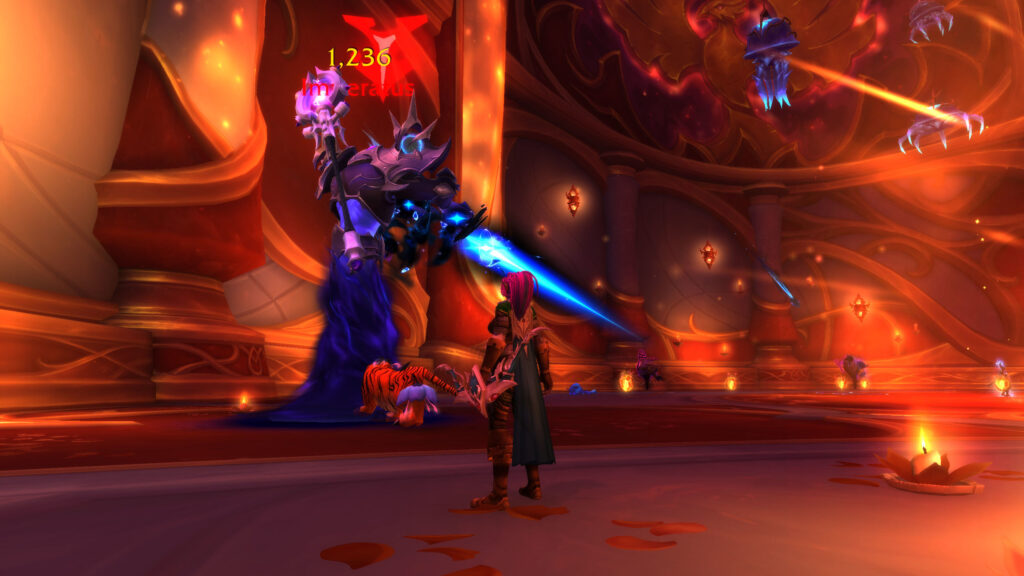
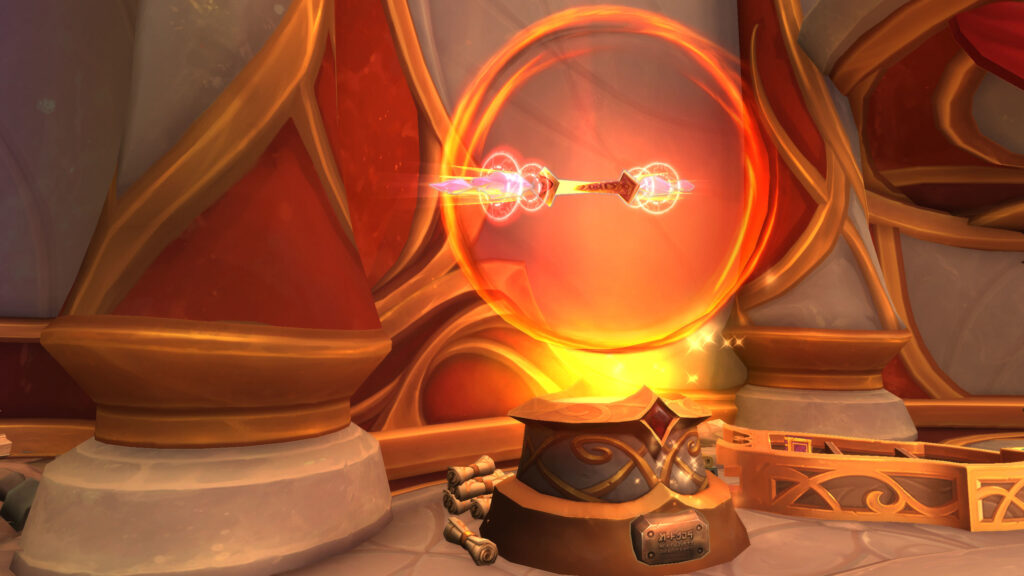
The **Artifact Weapon** system solved the critical problem of gear obsolescence and provided a persistent, visually significant progression track throughout the expansion cycle. Unlike previous legendary items, the AW was mandatory and unique to each specialization. Players invested **Artifact Power (AP)** directly into their weapon’s talent tree, unlocking crucial traits that fundamentally modified rotation and output. This system established a direct, visible correlation between effort expended and immediate character power gain, fostering a high **Investment Efficacy Metric (IEM)**. Furthermore, the AW’s cosmetic progression, unlocked via challenging quest lines and achievements, tied player skill directly to aesthetic reward (Aesthetic Achievement Mandate, AAM).
Order Halls: Thematic Segregation and Utility Centralization
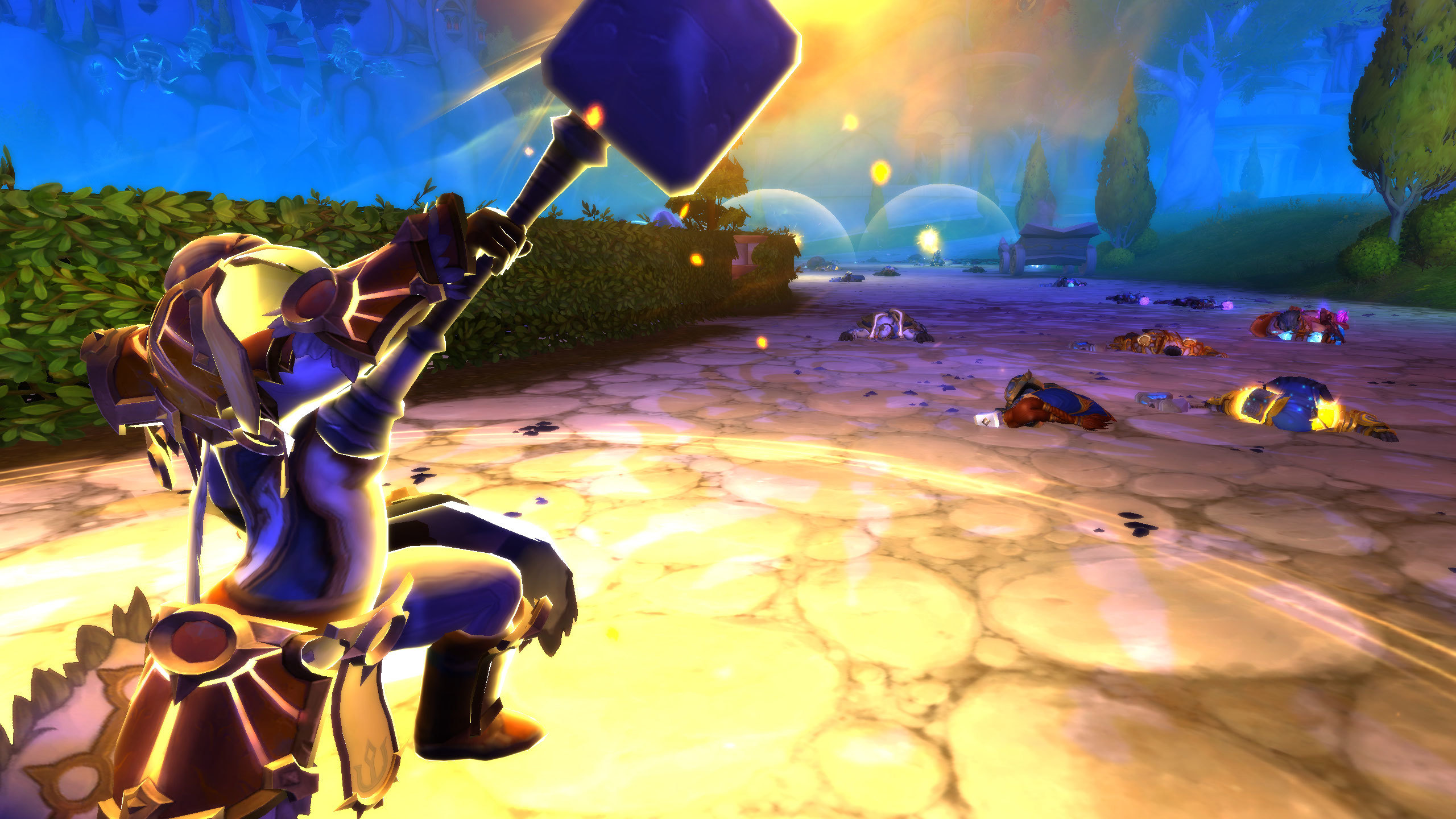
The **Class Order Halls (COH)** functioned as thematic hubs, providing a centralized location for class-specific maintenance, lore interactions, and resource management (similar to the Garrison, but crucially *shared* by all members of that class). By segregating utility—such as the COH talent tree, mission table, and specific artifact research—the system reinforced the narrative that the player was a pivotal leader within their own class hierarchy (e.g., the Highlord of the Silver Hand). This **Thematic Segregation (TS)** enhanced CF by immersing the player in a narrative tailored specifically to their class identity, fostering a strong sense of belonging and specialized purpose.
Synergy in Progression: AW and COH
The synergy between the AW and COH was the core design success. Advancement in one system directly fueled the other. For instance, the COH mission table and follower quests were the primary sources of initial AP, necessary to unlock the AW’s progression path. Similarly, advancing the AW’s power was required to access deeper narrative arcs within the COH. This interdependence created a robust, singular **Vertical Progression Loop (VPL)** that encompassed both narrative and mechanical advancement.
The Aesthetic Achievement Mandate (AAM)
The AW system introduced multiple cosmetic variants, most notably the challenging **Mage Tower** appearances. These appearances were locked behind highly tuned, solo-instance encounters that tested player mechanical mastery of their specialization. The rewards were purely cosmetic, but their difficulty validated the player’s proficiency in their chosen class. This **Aesthetic Achievement Mandate (AAM)** provided evergreen content that drove player engagement far beyond typical raiding cycles, focusing effort on self-improvement rather than simply gear acquisition.
Analysis of Class Identity Reinforcement (CIR) Metrics
The following metrics highlight the success of the Legion system in enhancing CIR:
| System Component | Function | Impact on Class Fantasy (CF) |
|---|---|---|
| **Artifact Power (AP) Investment** | Direct talent tree modification/unlock | Direct, visible growth of personal legendary power |
| **Order Hall Hub** | Centralized utility/narrative quest staging | Thematic Segregation (TS); Sense of leadership/community |
| **Mage Tower Challenges** | Solo, highly tuned mechanical test | Validation of specialized proficiency (AAM) |
Conclusion: The Zenith of Character Specialization
The dual focus on the Artifact Weapon and Class Order Halls allowed Legion to succeed where generalized progression models failed. By treating each class specialization as a unique narrative and mechanical entity worthy of specialized progression, the expansion achieved the highest degree of **Class Identity Reinforcement (CIR)**, ensuring that player investment felt highly personal and continually rewarding throughout the entire expansion cycle.